How a foil flies: the physics of the hydrofoil, explained
It isn’t AI and it has no motor. Under the board flies a miniature aeroplane, and the water does the rest.
A board that flies above the water without touching it. Under any foil video you find the same two comments: “it’s AI” and “that has a motor, for sure”. It is neither. A foil is driven by the wind, by a wave or by the legs of whoever is standing on it.
This article is the written version of our video “¿Cómo vuela un foil?” (How does a foil fly?): the physics under the board, with its numbers, and at the end six schools where you can learn.
A miniature aeroplane
To see it you have to go under the water. What flies down there looks like a small aeroplane:
- The mast: the vertical piece that joins the board to the rest. When you fly, it is the only thing cutting the surface.
- The front wing: the big one. It is the one that lifts you.
- The fuselage: the bar that joins the two wings.
- The stabiliser: the small wing at the back. It balances the whole thing, like the tail of an aeroplane.
What pushes the wing up
The front wing works just like an aeroplane’s. It sits at a slight angle to the water coming at it. Over the top face the water runs faster and the pressure drops. On the bottom face the pressure rises. That difference pushes the wing up: it is called lift.
An example in round numbers. At a depth of 60 cm, the water around the wing is at about 107 kPa: the pressure of the atmosphere plus the weight of the water above it. To carry about 90 kg of rider and gear on a 1000 cm² wing, the average pressure only has to fall to about 101 kPa on top and rise to about 110 underneath.
These are averages over each face and a rough split, not a measurement of a particular wing. What matters is the size of the difference: 9 kPa, less than a tenth of atmospheric pressure.
Why such a small wing is enough
An aeroplane does the same with air, but it needs wings many metres long. A small one is enough for a foil because water is about 800 times denser than air: a cubic metre of sea water weighs about 1025 kg, and a cubic metre of air a little over 1.2 kg.
At the same speed and with the same shape, the force a wing gives is proportional to the density of what it moves through. That is why a wing of 1000 to 1200 cm², roughly the area of a large pizza, lifts a person.
Speed rules
Lift doesn’t grow in step with speed: it grows with its square. With the same wing at the same angle, twice the speed gives four times the force, and three times the speed gives nine.
In the video we show it with a tower of riders. To keep the wing from rising at twice the speed, it would have to carry four riders in all, and at three times the speed, nine.
This has two practical consequences:
- Below a certain speed, the foil doesn’t hold you up. You take off with speed, not with strength.
- Once you are up, the faster you go, the less angle the wing needs. You adjust that with your body weight.
All of this holds while the wing stays under the water. If it breaks the surface, air gets in and the lift disappears at once.
Big wings and small wings
The same sum explains why not every foil carries the same wing:
- Riders who go very fast use small wings. Racing foils, like those in Olympic kitefoil, carry front wings of around 600 cm². At their speed they have lift to spare, and a small wing drags less.
- A freeride wing is around 1200 cm².
- Riders who want to take off slowly use big wings. In wingfoil you see wings of around 2000 cm²: with that much area, the foil lifts even when you are going slowly.
These are round reference figures. Each manufacturer has its own.
When water boils cold: cavitation
Water doesn’t only boil with heat. It boils when its pressure falls to the vapour pressure, and at 18 °C that happens at about 2 kPa, a fiftieth of atmospheric pressure.
On top of the wing, the pressure drops further the faster you go. Working it out with Bernoulli’s equation, from about 90 km/h (49 knots) the point of lowest pressure, near the leading edge, reaches those 2 kPa. There the water turns to vapour even though it is cold: bubbles form on the wing and it stops lifting as it did. This is called cavitation.
That number is a calculated floor, not a measurement of a particular foil: a thicker or more heavily loaded section cavitates earlier. It deserves a video of its own.
Getting started: a school with a boat
The hard part of foiling is that you have to learn two things at once: getting speed and keeping your balance. A boat takes the first one away. There are two usual ways:
- On a bar at the side of the boat: you hold a rigid bar, close to whoever is teaching you.
- Towed on a rope, as in wakeboarding.
The boat holds the speed and you only look after the balance, which on a foil is mostly forwards and backwards:
- Weight forward, the foil goes down.
- Weight back, the foil goes up.
The movements are small, and at first it is normal to overcorrect.
Once you have that, moving on to wingfoil, kitefoil or surf foil means changing the engine: the wind, the kite or the wave in place of the boat. The feeling of flying over the water has to be lived, not told.
Where to learn: six schools that teach foil
These six schools teach foil and appear at the end of the video. Write to them before you go and ask how they run the first lessons (with a boat, a wing or a kite) and with what gear.
Venezuela
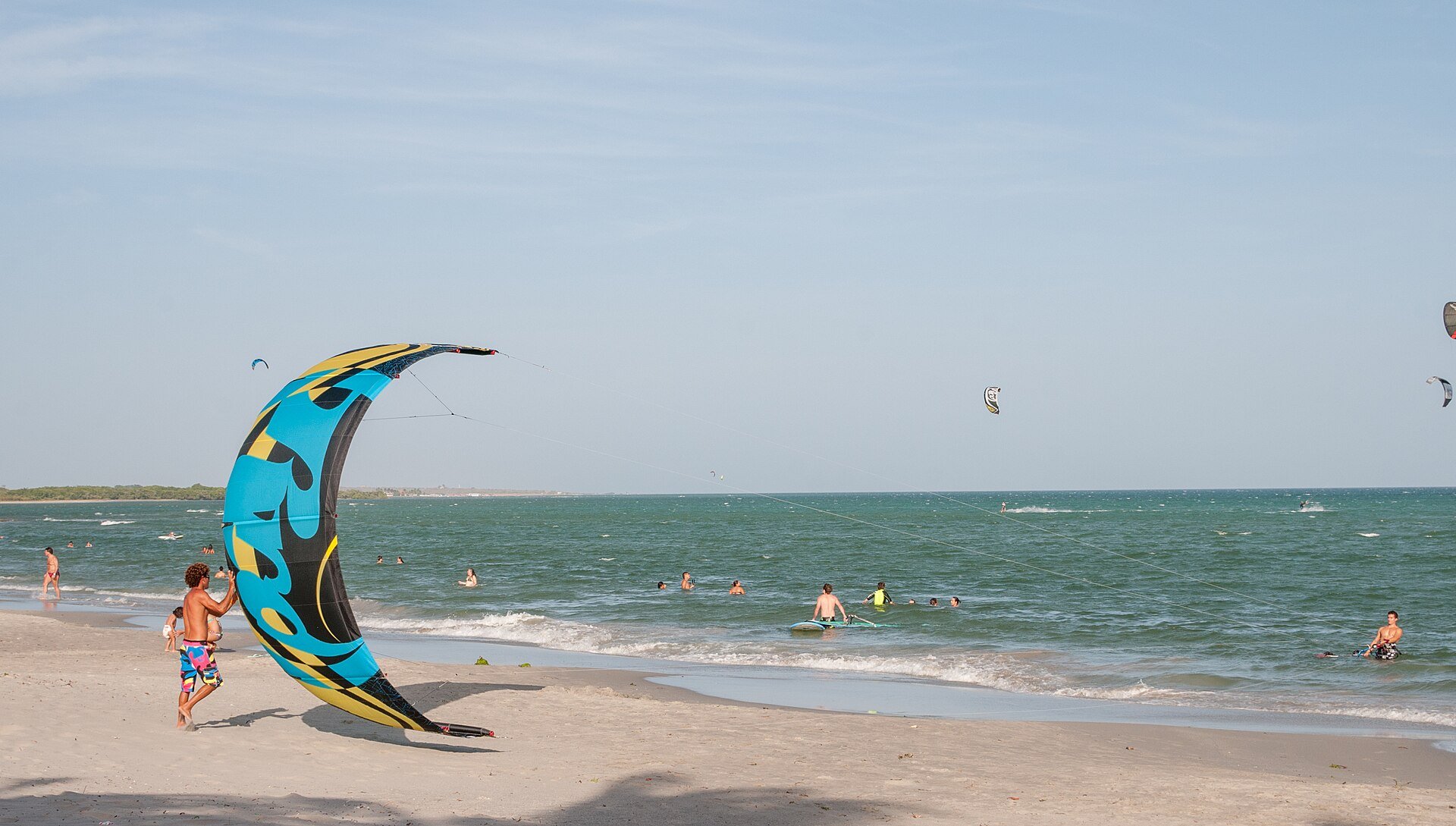
- El Yaque Kite, at Playa El Yaque, Margarita Island. Kitesurfing, wingfoil, windsurfing and wakeboarding. Spot on Ventus Surf: Playa El Yaque.
Spain
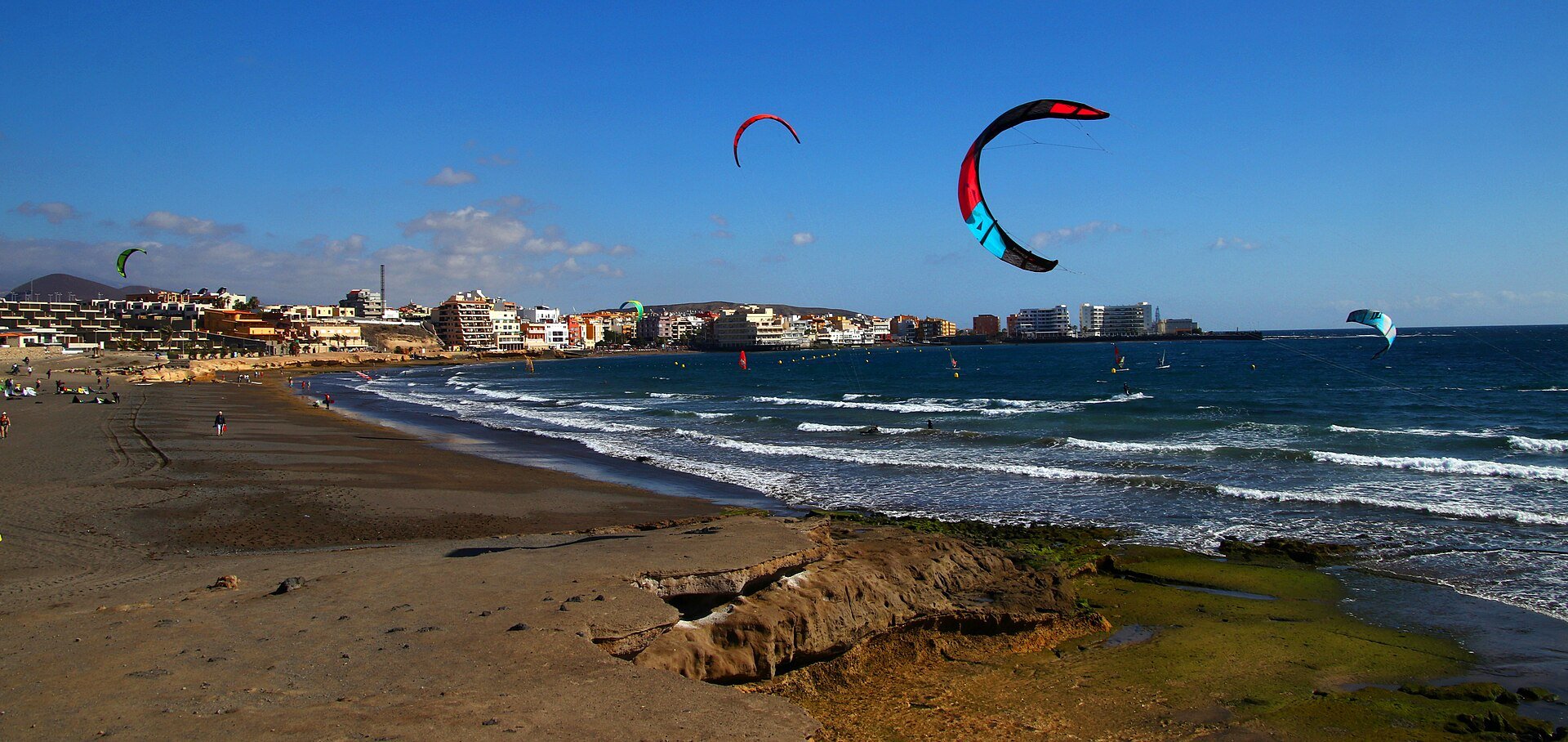
- Coaching Kitesports, in El Médano, Tenerife (Canary Islands). Private kite, kitefoil and wingfoil coaching. Nearby spot: Playa Leocadio Machado.
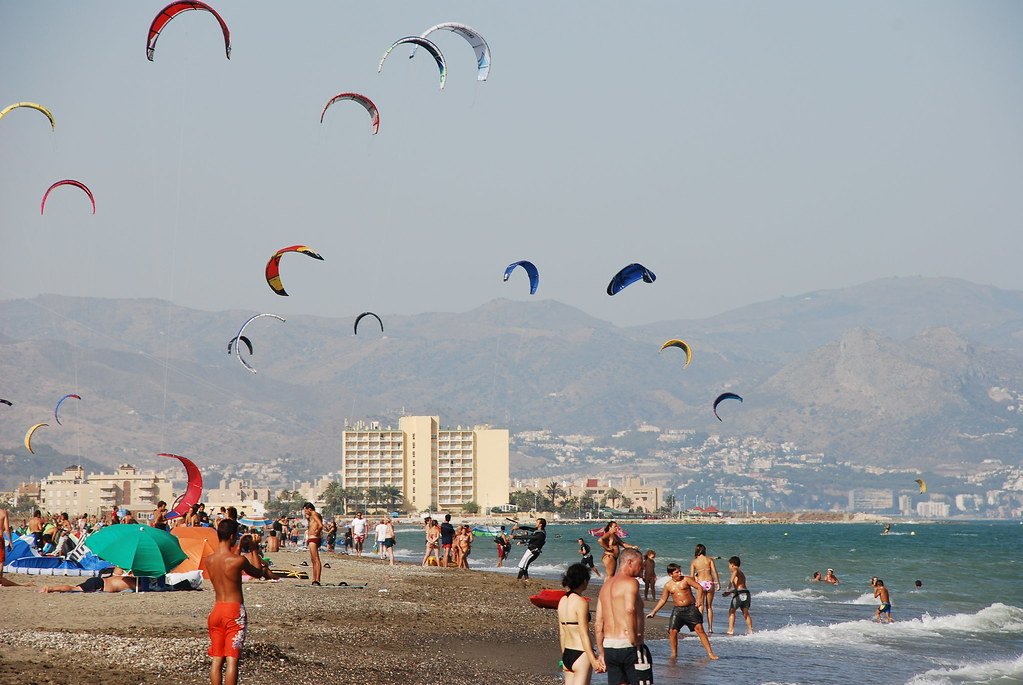
- Térmiko, a beach club in Guadalmar, Málaga. Kite, windsurf, wing and foil courses. Spot on Ventus Surf: El Térmiko.
Argentina
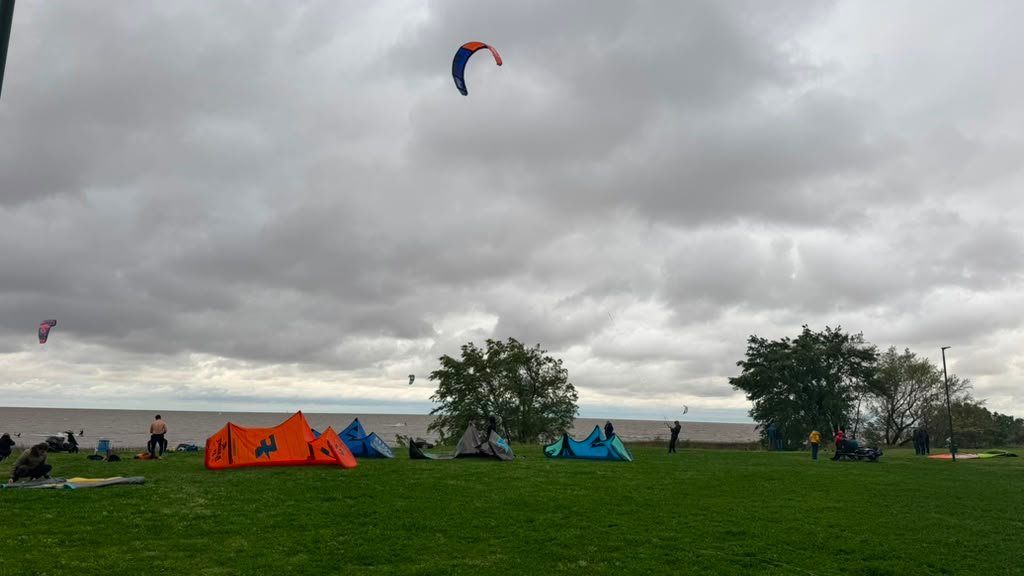
- Foil Club, in San Isidro, Buenos Aires. A school and community dedicated to foil. Nearby spot: Martínez - Costanera.
- Crosskite, a kite school in Córdoba.
Brazil
- Itacupa, a guesthouse and foil centre at Praia da Tabuba, Cumbuco (Ceará). Wingfoil, kite and windsurf lessons. Spot on Ventus Surf: Praia da Tabuba.
The spots in this article
Before you fly
Before going to any of these spots, check its page on Ventus Surf: the wind forecast for the coming days, the launch and riding zones, and the hazards.
And you, have you tried foiling yet? If not, which sport will you start with? To choose where, there are more spots in Spain and in the top 5 wind spots in Latin America.